• TRUSTED RESEARCH

    TRUSTED RESEARCH | STRATEGIC INSIGHT

    SMB. CORE MIDMARKET. UPPER MIDMARKET. ECOSYSTEM
    LEARN MORE
  • COMMS, COLLAB, CONTACT CENTER

    COMMS, COLLAB, CONTACT CENTER

    SMB & Midmarket Buyers Collaboration, Contact Center Study
    LATEST RESEARCH
  • DATACENTER SOLUTIONS

    DATACENTER SOLUTIONS

    SMB & Midmarket Datacenter Solution Adoption Trends
    LATEST RESEARCH
  • PARTNER ECOSYSTEM

    PARTNER ECOSYSTEM

    CHANNEL PARTNER ECOSYSTEM TRENDS STUDY
    LATEST RESEARCH
  • BUYER JOURNEY

    BUYER JOURNEY

    SMB & Midmarket Buyers Journey Research
    LATEST RESEARCH
  • BUYER PERSONAS

    BUYER PERSONAS

    SMB & Midmarket Technology Buyer Persona Research
    LATEST RESEARCH
  • ARTIFICIAL INTELLIGENCE

    ARTIFICIAL INTELLIGENCE

    SMB & Midmarket Analytics & Artificial Intelligence Adoption
    LATEST RESEARCH
  • IT SECURITY TRENDS

    IT SECURITY TRENDS

    SMB & Midmarket Security Solutions Adoption Trends
    LATEST RESEARCH
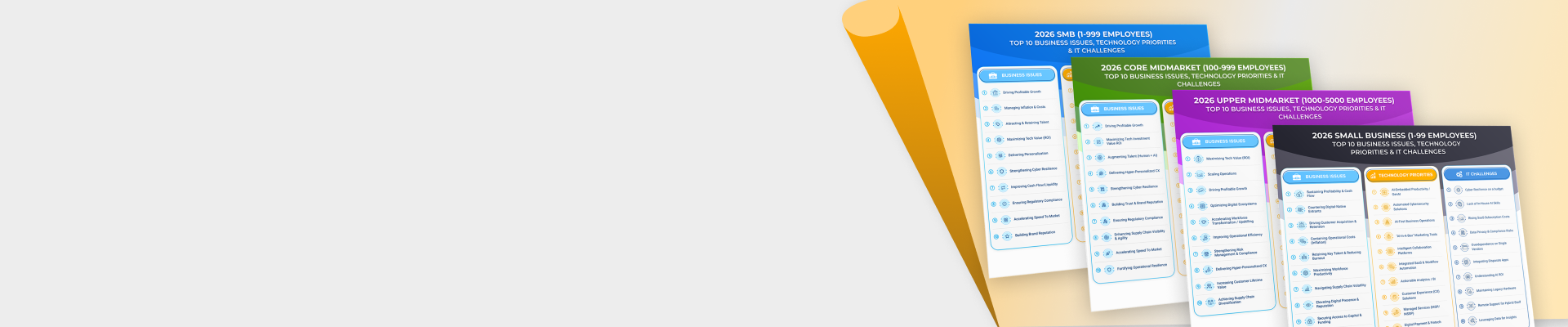
  • 2026 TOP 10 SMB BUSINESS ISSUES, IT PRIORITIES, IT CHALLENGES

    2026 TOP 10 SMB BUSINESS ISSUES, IT PRIORITIES, IT CHALLENGES

  • 2026 TOP 10 SMB PREDICTIONS

    2026 TOP 10 SMB PREDICTIONS

    SMB & Midmarket: Autonomous Business
    READ
  • 2026 TOP 10 PARTNER PREDICTIONS

    2026 TOP 10 PARTNER PREDICTIONS

    Partner & Ecosystem: Next Horizon
    READ

Techaisle Analyst Insights

Trusted research and strategic insight decoding SMBs, the Midmarket, and the Partner Ecosystem.
Anurag Agrawal

Vendor Channel Programs Are Simplifying Faster Than They Are Stabilizing

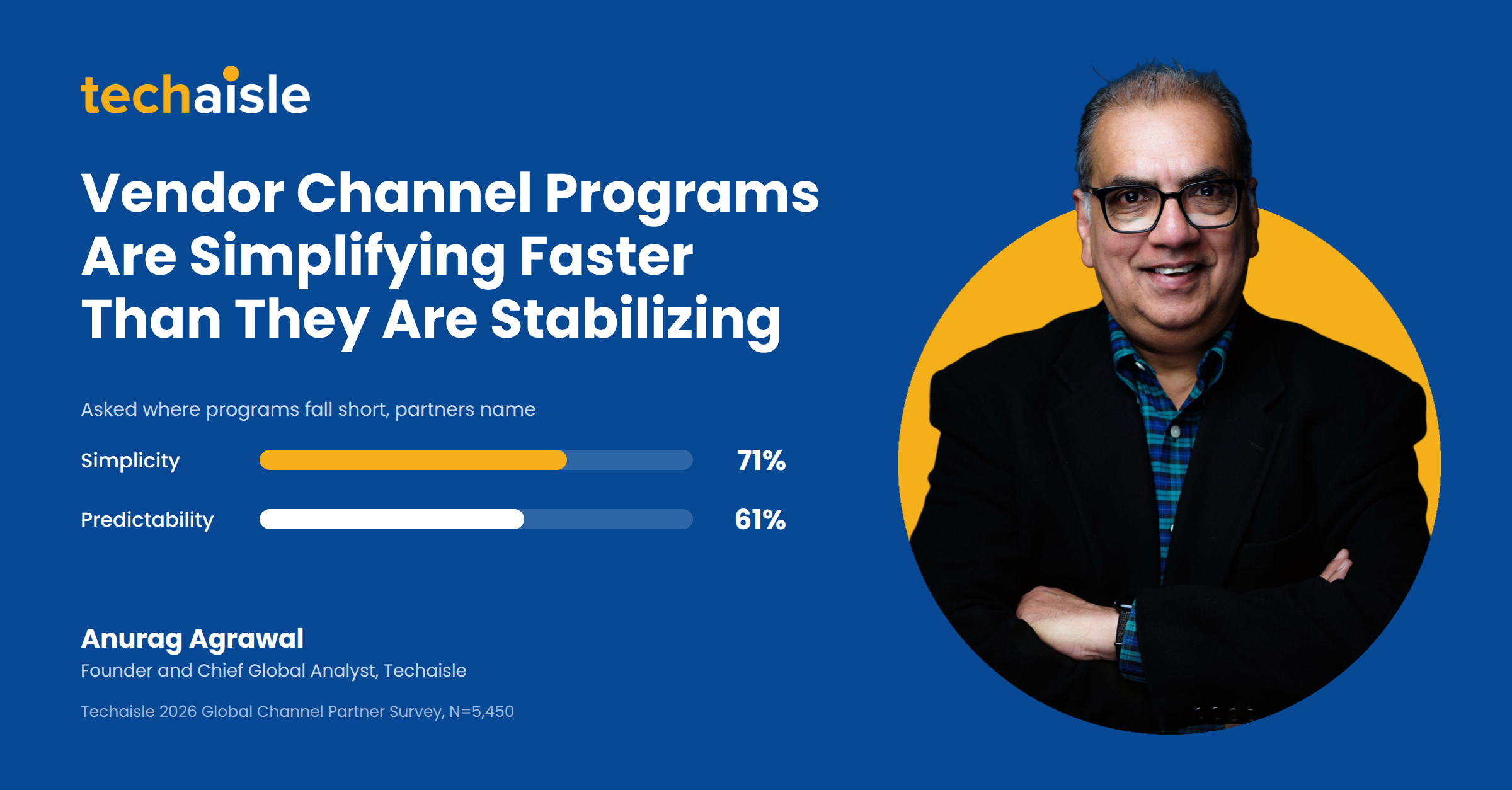
Channel partners were specific when Techaisle asked what a vendor program should deliver. In our 2026 survey of 5,450 channel partner firms, 88% rate profitability as critical or very important, and 78% say the same about predictability. Strategic value ranks last at 69%. Asked where programs fall short, partners name simplicity first (71%) and predictability second (61%). Predictability is one of the attributes partners value most and one of the two where programs fail most often.

Many of the largest vendors have rebuilt their partner programs over the past 2 years. Some of those changes line up with what partners asked for, and a few work against it. Across the 2026 changes from AWS, Cisco, Microsoft, Google Cloud, Dell, HPE, Lenovo, Palo Alto Networks, and Broadcom, one pattern stands out: programs are getting simpler faster than they are getting predictable. Most of the work went into fewer tiers, merged incentives, and automated paperwork, while the changes that cost partners money came from timing.

Techaisle calls this gap the Incentive-Trust Deficit. Partners will accept thinner margins in exchange for rules that hold for a year. For a vendor, that makes predictability a cheaper lever than a richer rebate. For a partner, a vendor's record of program changes matters as much as its margin structure when deciding where to commit staff.

Anurag Agrawal of Techaisle beside the headline Vendor Channel Programs Are Simplifying Faster Than They Are Stabilizing, with a bar chart showing partners name simplicity (71%) and predictability (61%) as where vendor programs fall short

Anurag Agrawal

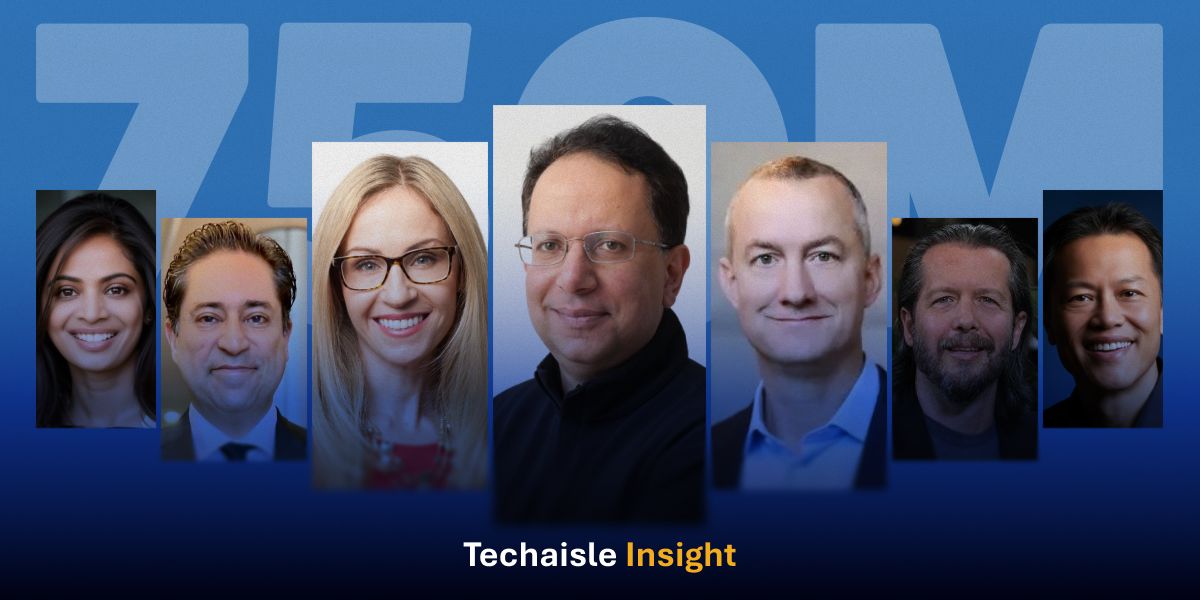
Closing the Activation Void: Google Cloud’s $750M Bet on Partner Economics for the Agentic Era

The largest agentic partner investment by a hyperscaler is not a subsidy. It is capital aimed at one specific gap, the distance between AI intent and AI in production.

64% of businesses are experimenting with AI agents. Far fewer have moved any of them into production at scale. The distance between those two numbers is what I have been calling the Activation Void, and it is the right starting point for reading Google Cloud’s $750 million partner announcement.

The capital splits into $500 million in net-new funding and $250 million in existing programmatic allocations. It’s aimed at four partner categories: ISVs, traditional GSIs, specialized consulting firms, and a fast-emerging class of AI-native system integrators. As a routine channel program update, the announcement is unremarkable. Read against the Activation Void, it becomes the most precise hyperscaler bet on partner economics in this cycle.

The shift here is not generative AI versus agentic AI. The shift is from prompt-driven assistants - chat windows, retrieval helpers, productivity hacks - to autonomous systems that reason, plan, and execute multi-step business processes without a human in every loop. The honeymoon for basic assistants is coming to an end. What replaces it requires a different partner economy. That is what the $750 million is built for.

techaisle google cloud channel partners

Anurag Agrawal

Google's Agentic Leap: Moving from "Gen AI" Hype to a Governed "Economy of Agents

The technology market is awash in "Generative AI." We are saturated with demonstrations, pilots, and proofs of concept (POCs). Yet, for most organizations, the path from a compelling demo to scaled, enterprise-wide production remains elusive. The gap is fraught with challenges, not least of which are security, governance, and a clear return on investment.

In a recent analyst briefing, Google Cloud, led by Hayete Gallot, President of Customer Experience, articulated a strategy that signals a distinct and significant pivot. The narrative is moving decisively from "Generative AI" as a standalone technology to "Agentic AI" as a governed, integrated business system.

techaisle google cloud writeup 650

This is not a mere semantic shift. It is a fundamental reframing of the problem and the solution, moving the conversation from "what a model can do" to "what a system of agents can achieve for the business." This agent-centric strategy is built on three core pillars: a platform for governance, a framework for creating new agentic architectures, and a GTM model for partner-led scale.

The "Why": Solving for "Rampant Agents"

Anurag Agrawal

Google Cloud's Earnings Hub: A New Benchmark for Partner Enablement and Profitability

As the technology landscape continues to evolve rapidly, the success of hyperscaler vendors hinges significantly on the strength and effectiveness of their partner ecosystems. For partners navigating the complexities of multiple vendor relationships and an increasingly demanding customer base, the portals and tools these vendors provide are not just administrative interfaces - they are critical enablers of profitability and growth. Against this backdrop, Google Cloud's new Earnings Hub, launched at Google Cloud Next Partner Summit, is a compelling example of what a truly partner-centric platform can achieve, setting a new benchmark that other vendors would emulate.

My analysis suggests that Google Cloud's Earnings Hub is not merely an incremental update but a significant leap forward in providing partners with the visibility, insights, and tools necessary to thrive. It directly addresses partners' long-standing pain points and offers a glimpse into the future of vendor-partner collaboration, heavily leveraging data and artificial intelligence.

Google Cloud has consistently been at the forefront of innovation, providing cutting-edge solutions to meet the diverse needs of businesses worldwide. One of its latest advancements, the Google Cloud Earnings Hub, is a testament to its commitment to empowering partners and driving mutual success. This comprehensive platform is designed to streamline partner engagement, enhance visibility, and provide actionable insights, making it far ahead of many other partner hubs in the industry. In this analysis, I will delve into the features, functionalities, and advantages of the Google Cloud Earnings Hub, exploring the challenges it addresses for partners in vendor and customer engagements.

The Google Cloud Earnings Hub is a centralized platform that serves as a one-stop shop for all partner-related information and activities. Launched to foster transparency, collaboration, and growth, Earnings Hub offers a range of tools and resources that enable partners to maximize their earnings, optimize their strategies, and enhance their overall performance. Whether it's accessing funding programs, rebates, credits, or discounts, Earnings Hub provides partners with a holistic view of their financial incentives and opportunities.

Critically, recent Techaisle global channel partner surveys, encompassing 2500 partners, underscore key partner requirements for vendor portals. The data reveals that 62% of partners desire an action-oriented portal, enabling them to take direct steps based on the information presented. Furthermore, 57% are actively seeking portals that facilitate robust performance tracking, allowing them to monitor their progress and identify areas for improvement. Additionally, 49% emphasize the need for complete visibility into their relationship with the vendor, including financial performance and program status. Google Cloud's Earnings Hub directly addresses these fundamental partner needs by providing actionable insights, comprehensive performance tracking capabilities, and complete financial visibility.

Trusted Research | Strategic Insight

Techaisle - TA