










• TRUSTED RESEARCH

    TRUSTED RESEARCH | STRATEGIC INSIGHT

    SMB. CORE MIDMARKET. UPPER MIDMARKET. ECOSYSTEM
    LEARN MORE
  • COMMS, COLLAB, CONTACT CENTER

    COMMS, COLLAB, CONTACT CENTER

    SMB & Midmarket Buyers Collaboration, Contact Center Study
    LATEST RESEARCH
  • DATACENTER SOLUTIONS

    DATACENTER SOLUTIONS

    SMB & Midmarket Datacenter Solution Adoption Trends
    LATEST RESEARCH
  • PARTNER ECOSYSTEM

    PARTNER ECOSYSTEM

    CHANNEL PARTNER ECOSYSTEM TRENDS STUDY
    LATEST RESEARCH
  • BUYER JOURNEY

    BUYER JOURNEY

    SMB & Midmarket Buyers Journey Research
    LATEST RESEARCH
  • BUYER PERSONAS

    BUYER PERSONAS

    SMB & Midmarket Technology Buyer Persona Research
    LATEST RESEARCH
  • ARTIFICIAL INTELLIGENCE

    ARTIFICIAL INTELLIGENCE

    SMB & Midmarket Analytics & Artificial Intelligence Adoption
    LATEST RESEARCH
  • IT SECURITY TRENDS

    IT SECURITY TRENDS

    SMB & Midmarket Security Solutions Adoption Trends
    LATEST RESEARCH
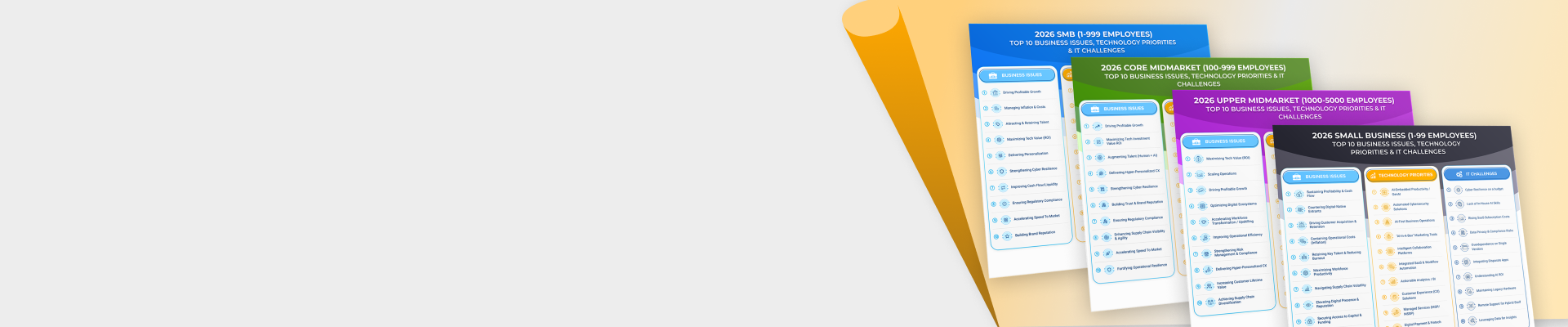
  • 2026 TOP 10 SMB BUSINESS ISSUES, IT PRIORITIES, IT CHALLENGES

    2026 TOP 10 SMB BUSINESS ISSUES, IT PRIORITIES, IT CHALLENGES

  • 2026 TOP 10 SMB PREDICTIONS

    2026 TOP 10 SMB PREDICTIONS

    SMB & Midmarket: Autonomous Business
    READ
  • 2026 TOP 10 PARTNER PREDICTIONS

    2026 TOP 10 PARTNER PREDICTIONS

    Partner & Ecosystem: Next Horizon
    READ

Techaisle Analyst Insights

Trusted research and strategic insight decoding SMBs, the Midmarket, and the Partner Ecosystem.
Anurag Agrawal

The Great Recession, Consumerization, and the birth of BYOD trend, more so in SMBs

The ‘bring your own device’ (BYOD) trend has its roots in two significant events that challenged corporate IT behavior. The first was the “Great Recession” of 2008-2009. The recession affected the entire economy, and IT was not spared its shadow. One key result of the recession was the interruption of regular refresh cycles. Prior to the recession, many businesses replaced endpoint devices (then, almost exclusively PCs) on a regular cycle – e.g., one third of devices would be refreshed every year, and the devices themselves would be used for three years, dividing the capital cost of keeping endpoint technology up-to-date across multiple annual budgets. The cash crunch that hit most businesses in the recession prompted many to forego refresh cycles, replacing individual units only when they failed. This approach did conserve scarce resources during the downturn, but when stability returned to the economy, CIOs realized that a large proportion of corporate endpoints were due for replacement – and CFOs realized that they lacked the CAPEX funds needed to refresh the entire endpoint fleet.

At the same time, another trend – Consumerization – was sweeping through the IT industry.

Trusted Research | Strategic Insight

Techaisle - TA